AC/DC and Pink Floyd Tees: Print Fidelity, Licensing Tiers, and Which Cuts Survive the Wash
If you’ve ever picked up a band tee at a festival merch booth, a chain retailer like H&M or Target, and an independent record store — all for the same artist — you’ve probably noticed they feel completely different in your hands, even before the first wash. That’s not random. Band merchandise runs through a licensing system (meaning the legal right to use an artist’s name, logo, and imagery has been purchased or authorized) with multiple tiers, each tied to specific manufacturing standards. The shirt you’re holding tells you exactly how much the manufacturer expected to spend on it before they ever printed a logo on the front. This article breaks down how that system works for two of the most widely merchandised classic-rock bands in the world — AC/DC and Pink Floyd — so you can make a faster, better-informed buying decision whether you’re sourcing for yourself or stocking a distro.
How Licensing Tiers Actually Work for Classic-Rock Merch
The licensing landscape for legacy rock bands divides roughly into three tiers, and understanding the tiers is the foundational decision frame here.
Tier 1 — Estate/Label-Controlled Official: For Pink Floyd, that means Pink Floyd Music Ltd. and the band’s management structure controlling approvals through Sony Music’s licensing division. For AC/DC, it runs through their long-standing label relationship (currently Columbia/Sony) plus band-managed merch rights through Live Nation Merchandise. Tier 1 licenses are expensive — industry sources cited by Hypebeast’s overview of the licensed merch market put minimum advances for major legacy acts at five to six figures annually. That cost pressure flows directly into production: manufacturers paying Tier 1 rates need to hit lower fabric and print specs to protect margin on a $35 MSRP shirt, unless they’re selling at a significantly higher price point.
Tier 2 — Officially Licensed, Sub-Licensed Wholesale: This is the tier that supplies most of what you find at big-box retail. Companies like Bravado (a Universal Music Group subsidiary) and Probity Merch (now part of Live Nation’s merch ecosystem) hold master licenses and then manufacture at volume for Target, Walmart, Hot Topic, and comparable retailers. Kerrang!‘s feature on the band-tee economy notes that Bravado in particular operates at enormous scale — the math requires thin fabric (often 150–160 gsm, where gsm means grams per square meter, a measure of fabric weight and density) and plastisol screen printing (a type of ink that sits on top of the fabric rather than bonding deeply into the fibers) to hit retail price targets. These shirts are legal, they carry the correct imagery, but they are engineered to a price.
Tier 3 — Premium Sub-Licensed or Boutique Collaboration: This is where the purchasing calculus changes. When a label like Wacko Maria or a specialty boutique like End Clothing enters a sub-licensing arrangement with a band estate to produce a limited capsule — think a Pink Floyd Dark Side of the Moon prism rendered in discharge ink on a 220 gsm ring-spun blank — the economics reverse. Highsnobiety’s coverage of the Wacko Maria–classic-rock licensing territory documents this clearly: boutique collaborators pay premium licensing fees and absorb them into a $120–$180 retail price, which allows them to genuinely invest in fabric weight, cut, and print process. The shirt becomes a garment with a band on it rather than a band tee that happens to be made of fabric.
Print Fidelity: What Separates a Shirt That Ages Well from One That Cracks
Print process is the variable most buyers underweight. Here’s the breakdown that matters at your decision point:
Plastisol (standard screen print): Sits on the surface of the fabric. Achieves bright, consistent colors cheaply. The failure mode is well-documented across aggregated owner reviews on platforms like Discogs and Grailed seller notes: cracking begins at the stress points of the design after 15–30 washes, especially on shirts that weren’t printed on adequately pre-tensioned screens or cured to full manufacturer temperature spec. On a Tier 2 Pink Floyd prism shirt at $28 retail, this is the expected process — and the expected lifespan for a piece you’re wearing weekly is 18–24 months before visible degradation.
Water-based discharge ink: This is the process associated with vintage softness. Discharge ink chemically removes the dye from the fabric and replaces it with pigment, meaning the print lives in the shirt rather than on top of it. The result is a matte, slightly faded-from-birth appearance that collectors and streetwear buyers associate with vintage authenticity. Owners across collector communities consistently report that discharge-printed shirts hold graphic integrity for 5–8 years of regular wear. The limitation: discharge doesn’t produce the neon saturation of plastisol, so AC/DC’s lightning bolt in pure yellow — an icon that depends on brightness — typically requires a hybrid or overlay approach.
Simulated process / halftone: Used for photographic or painterly designs — think the Animals-era pig over Battersea Power Station. This process builds full-color imagery from layered halftone dots. Print fidelity at this level depends almost entirely on the screen mesh count (how fine the printing screen is) and the skill of the print shop. Low-budget Tier 2 manufacturers using 110-mesh screens produce visible dot grain. Higher-end operators using 160–230 mesh produce images closer to photographic reproduction. Consequence of Sound’s reporting on the Pink Floyd estate’s licensing deals notes the estate has become increasingly selective about authorized print quality, particularly for Animals and Wish You Were Here imagery — though enforcement at the retail level remains inconsistent.
Fabric Weight and Cut: The Numbers That Predict Post-Wash Performance
| Tier | Typical Fabric Weight | Print Process | Expected Wash Durability |
|---|---|---|---|
| Big-box retail (H&M, Target) | 150–165 gsm | Plastisol | 15–30 washes before visible crack |
| Band-controlled official (live merch booth) | 180–200 gsm | Plastisol or water-based | 40–60 washes |
| Premium boutique collab | 200–240 gsm, ring-spun or combed | Discharge or water-based | 5–8 years regular wear |
| Vintage original (1970s–1990s) | Varies 160–210 gsm | Original screen print | Already proven; degradation ongoing |
Fabric weight is the number big-box buyers are least likely to show you. Ring-spun cotton (where fibers are twisted tightly before spinning, creating a denser, smoother yarn) consistently outperforms open-end spun cotton in pilling resistance and print adhesion. Combed cotton adds a further step — short fibers are combed out before spinning — producing a softer hand feel and a tighter print surface. At the 150–165 gsm range, even good discharge printing degrades faster because the base fabric distorts more aggressively in the wash cycle, creating micro-tears in the print boundary layer.
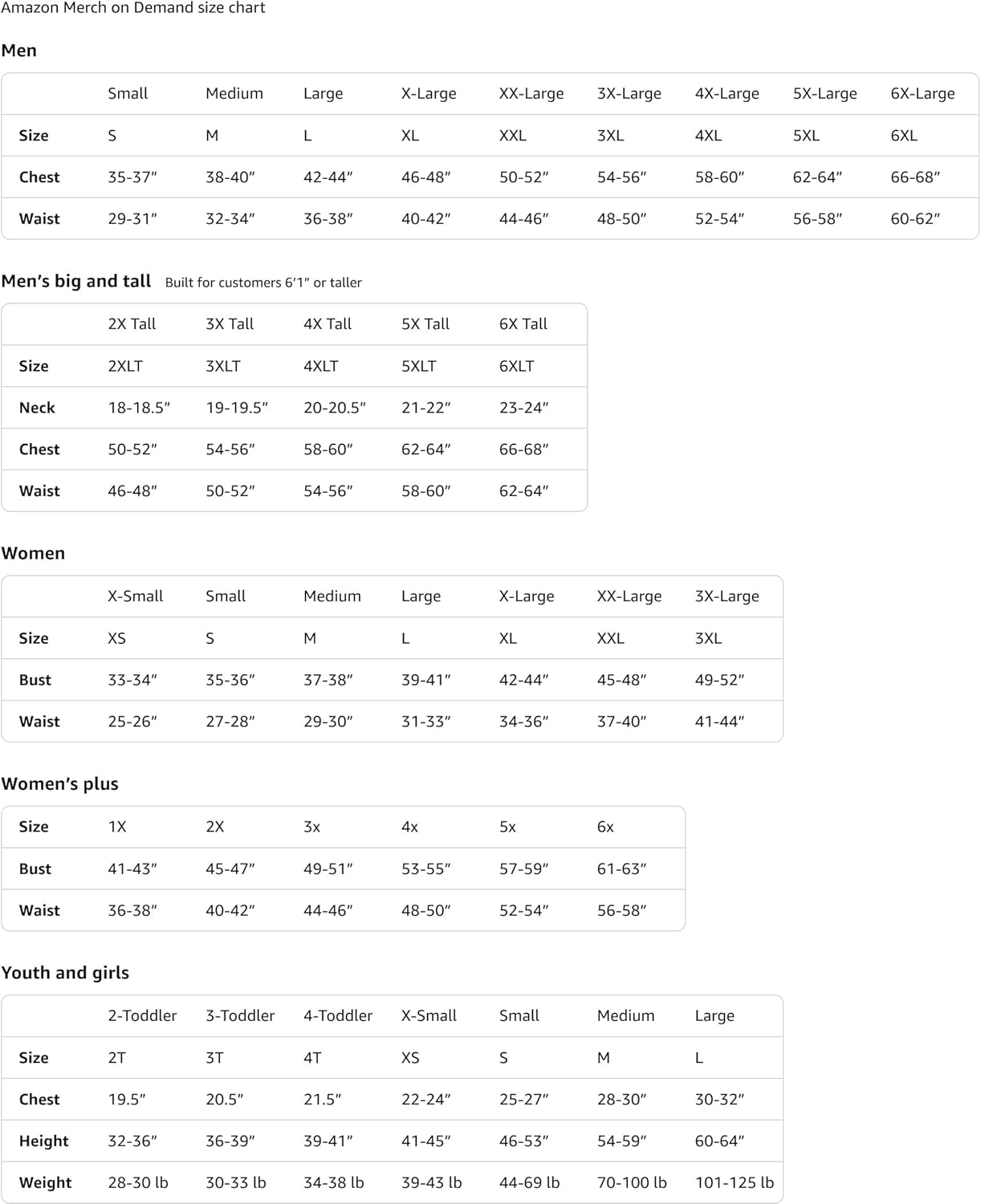
The cut issue specific to classic-rock licensed tees is the boxy, oversized blank that Tier 2 manufacturers use to cover the widest demographic range. This isn’t necessarily a flaw — oversized silhouettes are consistent with both vintage references and current streetwear-adjacent styling. But the seam construction at that price point typically uses single-needle stitching at side seams (one line of stitching, more prone to unraveling under stress) versus the double-needle stitching that higher-margin manufacturers build in. Owners sourcing vintage-style tees report that single-needle side seams are the first structural failure point, typically appearing after 20–30 washes or any significant physical stress like crowd movement.
The AC/DC vs. Pink Floyd Licensing Environment in 2026
These two bands represent distinct ends of the licensing control spectrum, and that distinction matters for sourcing decisions.
AC/DC’s merch operation, managed through their Live Nation relationship, is notably aggressive about authorized channel control. As of mid-2026, the band’s management and label have pushed to consolidate official online retail and tour merch as the primary authorized channels. Bootleg production — unlicensed shirts printed with the AC/DC lightning bolt or Back in Black imagery — remains widespread because the logo set is simple enough to reproduce at any print shop. Highsnobiety’s streetwear-adjacent reporting on classic-rock branding notes that AC/DC imagery has become so culturally embedded that buyers often can’t distinguish licensed from unlicensed without checking for copyright lines on the interior tag. The tell: licensed pieces carry a “Licensed by Bravado” or equivalent tag plus a copyright line citing the specific band entity. If neither is present, the shirt is either vintage (pre-1990 pieces predate modern licensing tags) or unlicensed.
Pink Floyd’s estate situation is more stratified. Consequence of Sound’s coverage of the Floyd licensing machine documents an estate divided by Roger Waters’ departure and ongoing fractured relationships between surviving members — but the commercial licensing operation has remained functional under Pink Floyd Music Ltd. The result is a broader range of authorized collaborations, including boutique and streetwear-adjacent capsules of the kind Wacko Maria has entered into. For collectors, this means the premium tier for Pink Floyd tees is genuinely accessible in a way that tightly controlled acts make difficult. A legitimate, discharge-printed Dark Side prism shirt from an authorized boutique collab in the $120–$160 range is a real category, not aspirational.
If X, Then Y: The Decision Rule
You’re at a decision point — you’re looking at a shirt, you’re at a distro, you’re building a stock order, or you’re bidding on a resale piece. Here is the clean decision frame:
If the shirt is under $40 and from a mass-market channel: Treat it as a wear-and-replace consumable. The plastisol print and 155 gsm fabric are engineered for 18–24 months. Buy it for that purpose, price it that way if you’re reselling, and don’t assign collector value unless it’s a dated event-specific piece (a tour date on the back genuinely adds secondary market value as a document).
If the shirt is $60–$100 from an official band channel or independent record store carrying authorized stock: This is the tier worth washing inside-out in cold water and air-drying from day one. The fabric and print are meaningfully better than big-box. Owners in this tier consistently report that proper care extends visual integrity significantly — this is where your maintenance habits actually return value.
If the shirt is $120+ from a documented boutique collab with confirmed licensing provenance: Buy it for the garment. The discharge print, ring-spun weight, and construction quality mean you’re acquiring something that will age into the kind of patina that drives resale premiums on Grailed. Verify the licensing tag before committing — “officially licensed” language, an estate or Bravado attribution, and a country of manufacture that matches the brand’s stated production (typically Portugal, Japan, or USA for premium collabs) are the three authentication signals that matter at this price.
If you’re sourcing blind from a secondary market seller: The interior tag is your forensic document. No copyright line plus a Gildan or Fruit of the Loom blank tag means unlicensed production. A Hanes blank with a licensing tag is Tier 2 official. A Japanese or Portuguese blank with a boutique collaboration tag is Tier 3. Price accordingly, and represent accurately to downstream buyers.
The classic-rock tee market in 2026 is simultaneously oversaturated at the low end and genuinely interesting at the top. The gap between a $25 Target AC/DC shirt and a $150 authorized collab isn’t marketing — it’s measured in ink chemistry, fabric construction, and the number of washes between you and a cracked lightning bolt.