If you’ve ever bought a band hoodie at a show, worn it three times, and watched it pill, fade, and shrink into something that looks like it was washed inside a volcano — you already know the problem. Most band merch is sourced from the cheapest blank that fits the tour budget, printed fast, and shipped out before anyone asks hard questions about how it’ll hold up in a year. A hoodie’s weight — measured in GSM, or grams per square meter, which is essentially how dense and thick the fabric is — is one of the clearest signals of whether you’re buying something built to last or something built to move units on a table at the back of a venue. Higher GSM means more fabric per inch, which typically translates to better warmth, drape, and resistance to pilling. The fabric construction matters too: “loopback” and “French terry” are two different ways of finishing the inside of a fleece garment, and they behave very differently in the wash and over time. This guide breaks all of that down — so that next time you’re deciding between a $45 tour pullover and a $140 limited-run band collab piece, you can make the call with confidence.
GSM: The Number That Actually Tells You What You’re Buying
GSM is not a marketing term. It’s a physical measurement — the weight of one square meter of the fabric in grams — and it’s the fastest objective signal you have when a brand doesn’t volunteer construction details. Most garment-quality observers will tell you anything under 280g is lightweight fleece territory, and in practice, a lot of fast-turn band merch lands in the 240–270g range. It’s not bad fabric; it’s optimized for margin, not longevity.
For reference, here’s a quick orientation to the spectrum:
By the numbers
- 240–270 GSM — Typical fast-turn tour blank; light, prints easily, prone to early pilling and post-wash shrink
- 280–320 GSM — Mid-weight sweet spot; most quality independent-label hoodies; good structure, manageable after washing
- 340–400 GSM — Premium / heavyweight territory; Champion Reverse Weave, Gildan Hammer, and most streetwear-crossover collabs; holds shape across years of wear
- 400 GSM+ — Luxury / archive-grade; typically independent mills or bespoke blanks for designer-adjacent drops
Kerrang!‘s 2025 merch coverage noted that the shift in independent metal labels toward heavier blanks — particularly in the 340–380 GSM range — tracks almost directly with the streetwear crossover that started accelerating around 2022. When labels like Deathwish Inc. and Closed Casket Activities began competing aesthetically with brands that streetwear buyers were already spending $150–$200 on, the blank had to step up to match.
Metal Injection’s reporting on band merch construction trends has flagged the same dynamic from the label side: merch directors at mid-tier metal labels are increasingly being asked by distro partners and boutique retailers to provide fabric specs alongside mockups. That’s a meaningful shift. It means buyers at independent stores are now applying the same sourcing discipline to band merch that they’d apply to any soft-goods wholesale order.
Loopback vs. French Terry: What’s Actually on the Inside
This is the comparison that gets the least attention in metal merch conversation, and it’s where a lot of buying decisions go wrong.
French terry is a knit construction where the inside surface has loops that are cut, creating a soft, slightly textured face on the interior. It’s lighter, more breathable, and has a clean look if you happen to cuff your sleeves. It also appears frequently in fashion-forward pieces where silhouette takes priority over thermal weight. The tradeoff: French terry at lower GSM reads thin, and it’s less forgiving in repeated wash cycles.
Loopback fleece — sometimes called reverse weave when the loops run horizontally to resist shrinkage — keeps those interior loops intact, giving you that classic fluffy lining. It retains heat better, holds structure longer, and tends to feel more substantial in hand. Champion’s Reverse Weave line built an entire cult following in both streetwear and band merch circles on exactly this construction. Highsnobiety’s construction quality reporting points out that the horizontal loop direction in true reverse weave construction is specifically engineered to reduce vertical shrinkage — which is the direction most garments shrink when heat-dried. That detail matters a lot if you’re sizing to fit.
Hypebeast’s coverage of sweatshirt construction draws the clearest decision line: if you’re buying for warmth and long-term durability, loopback at 340 GSM or above is consistently the stronger call. If you’re buying for silhouette and a cleaner drape in a lighter piece, French terry in the 280–320 GSM range from a quality mill is a reasonable choice — but you need the GSM to be honest or the piece won’t survive.
For band merch specifically, the problem is that French terry at budget GSM is easy to confuse with loopback at a glance on a merch table. The tell: feel the weight in hand and look at the interior surface. If the loops are intact and slightly raised, it’s loopback. If the interior feels soft and slightly napped but flat, it’s French terry. If it feels thin and almost single-jersey, you’re looking at a 240g print-blank regardless of what it says on the tag.
Which Band Cuts Are Actually Worth the Money Right Now
This is where the practitioner decision gets real, because the gap between “technically good construction” and “worth buying at this price” depends on what you’re optimizing for. The three tiers below map to meaningfully different construction realities — and meaningfully different use cases.
Budget Tier: Tour Blanks and Festival Table Finds
Century Media and Nuclear Blast licensed merch sits in a wide range — they move enough volume that blank quality varies significantly by artist and pressing run. On official webstore drops, you’ll occasionally find 300–320 GSM pieces that hold up; on tour-table runs and festival merch, it’s safer to assume you’re in the 260–280 territory. The tell is price. If a hoodie from a major-distributed label is retailing at $45 shipped, the blank is almost certainly in the budget tier.
Gildan Heavy Blend at 271 GSM is the volume workhorse you’ll encounter most frequently on DIY and small-label runs. Reviewers universally call it functional but basic. It prints cleanly, it’s available everywhere, and it will give you two to three seasons of decent wear if you wash cold and hang dry. The mistake is paying $80 for something secretly running on this blank.
If you’re buying to wear and replace, accept the 270 GSM reality, wash cold, hang dry, and don’t expect more than two or three seasons of clean wear. There’s nothing wrong with this category. The mistake is paying premium-tier prices for it.
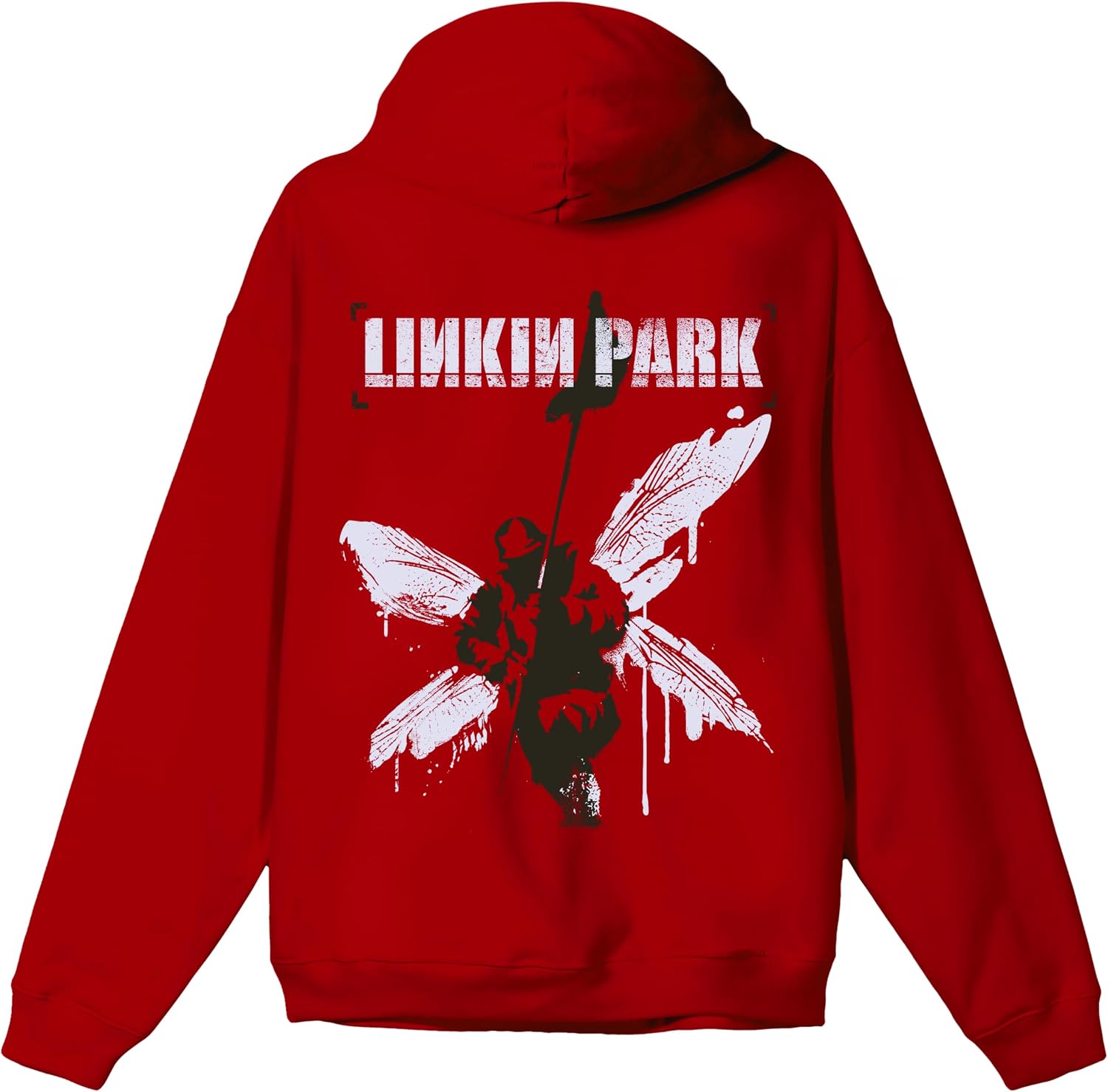
Linkin
$38.90
In stock on Amazon
Check price on AmazonMid-Tier: Independent Label Runs Worth Holding
Gildan Hammer at 330 GSM is a meaningfully different product from the standard Heavy Blend — tighter knit, better structure, stronger resistance to pilling. If a small label is running limited hand-numbered runs on Hammer blanks, which some Revelation Records and Bridge Nine adjacent labels have done, that’s a legitimate step up in value for a $60–$80 run. The construction cost-per-use math starts improving here.
Deathwish Inc. collab and in-house pieces have been consistently cited in Revolver Magazine’s reader merch rankings as benchmark examples of independent-label construction done right. The blanks Deathwish sources have trended toward the 340–360 GSM loopback range on their premium pulls, and owner reports across enthusiast forums describe minimal shrinkage and strong print adhesion after extended washing. At $80–$120 retail for their heavyweight pullovers, the construction cost-per-year math favors buying here over two or three $40 tour blanks.
At this tier, prioritize loopback over French terry, look for double-needle stitching at the cuffs and hem, and check that the screen print has a soft hand rather than a thick plasticky deposit. A soft-hand discharge print survives washing far better than a standard plastisol layer.
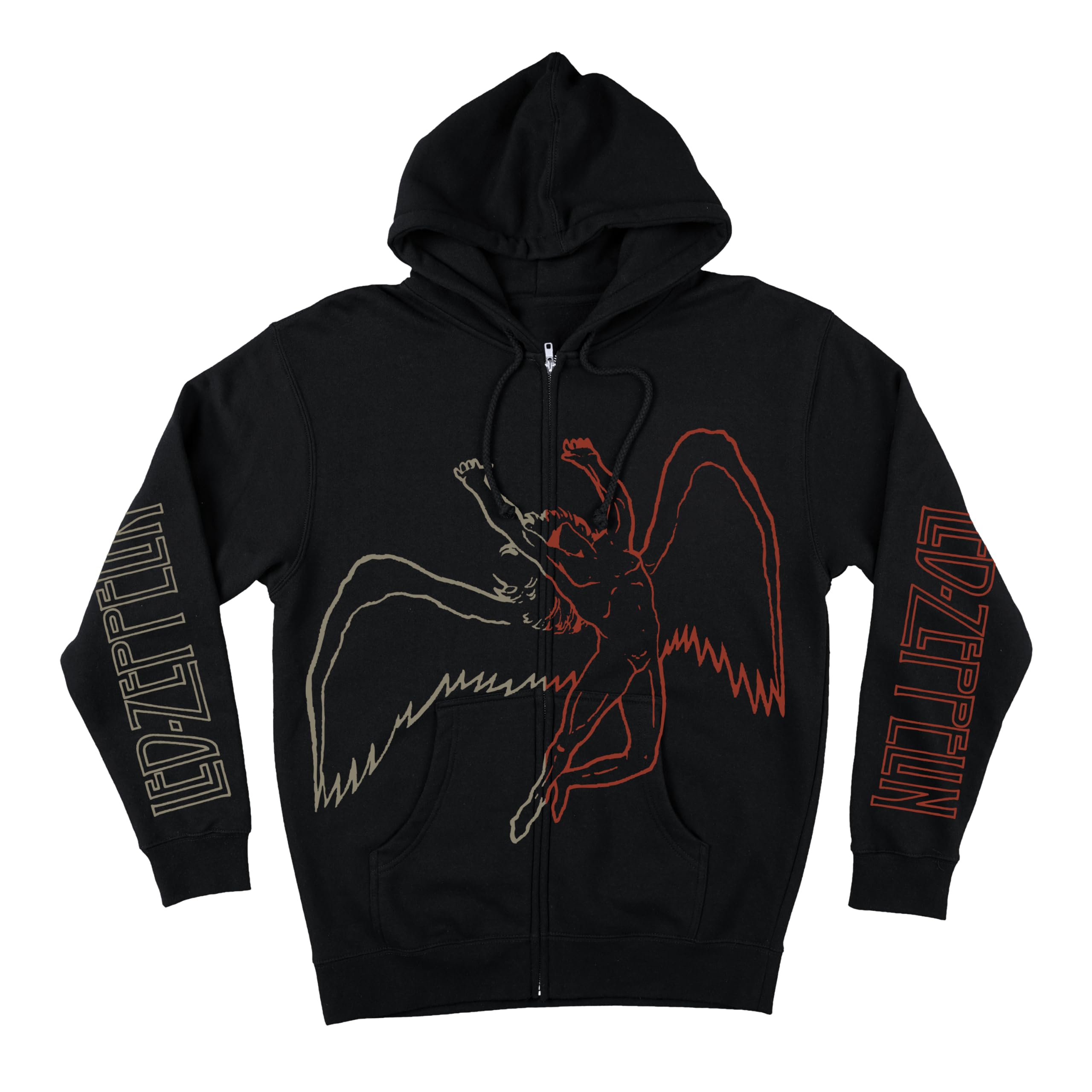
Led
$45.99
In stock on Amazon
Check price on AmazonPremium Tier: Streetwear Crossover and Archive-Grade Collabs
Streetwear-crossover collabs — releases that pair heavy-music iconography with fashion-blank sourcing and garment-wash finishing — are operating in a fundamentally different tier. These pieces typically source blanks from dedicated fashion-blank suppliers or Japanese mills in the 360–400 GSM range, which is why they retail at $180–$350 and why they appear on resale platforms holding or appreciating in value.
Highsnobiety’s coverage of the streetwear-collab model notes consistently that brands operating in this space set a construction standard that competes with mainline fashion basics — not standard merch. When that construction gets combined with legitimate heavy-music iconography, you get a piece that functions as both wearable merch and archivable streetwear.
Metal Injection’s commentary on the premium merch tier has made the same observation from the music-press side: the buyers who pay $200–$350 for a collab hoodie are not buying a band shirt. They’re buying a collectible soft good that happens to carry heavy-music imagery. The resale floor reflects the garment quality, not just the scarcity.
If you’re buying as a cultural artifact or for resale upside, this is the only category where construction quality and scarcity intersect reliably. You’re not gambling on blank quality — the construction is almost certainly there at this price point. The decision is purely whether the iconography and scarcity justify your specific budget at this moment.
Black
$49.99
In stock on Amazon
Check price on AmazonThe Decision Frame: What to Spend and When
Here’s how to structure the call based on what you’re actually trying to accomplish.
If the retail price is under $75 and the label doesn’t publish fabric specs: Assume budget blank and buy accordingly. Enjoy it, wash it carefully, and replace it when it goes. Don’t over-invest emotionally or financially.
If the price is $90–$140 and the label has a track record of quality construction: Verify the blank or construction before purchasing. Revolver Magazine’s reader coverage and Metal Injection’s ongoing merch reporting surface this information faster than official product pages. Look for loopback construction, heavyweight GSM disclosure, and double-needle finishing as confirmation signals.
If the price is $150 or above and it’s a named collab with a streetwear-adjacent brand: The construction is almost certainly there. The decision is purely about whether the iconography and scarcity justify your specific budget right now.
The market in mid-2026 is rewarding labels and brands that treat hoodies as garments, not afterthoughts. Kerrang!‘s 2025 reporting on the state of band apparel frames it plainly: the labels winning on merch right now are the ones that hired people who understand soft-goods sourcing, not just tour logistics. The buyers who understand the difference are the ones who stop replacing $40 blanks every season and start building a merch collection that actually holds up.